The Allure of Asian Coffee Tables: A Journey Through Style and Tradition
The Allure of Asian Coffee Tables: A Journey Through Style and Tradition
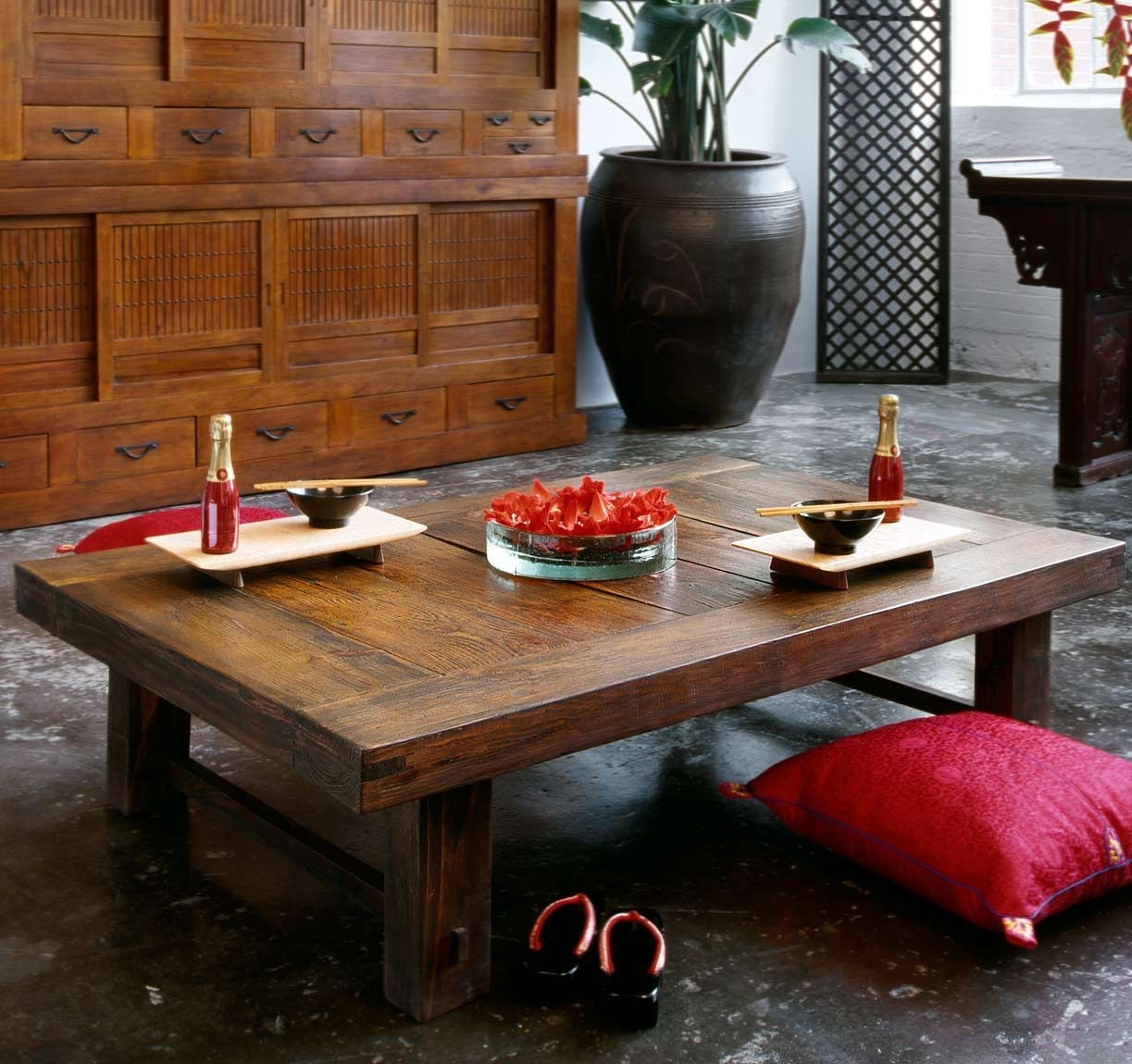
Coffee tables, the central hub of living rooms, have evolved beyond mere functional pieces. They have become statement pieces, reflecting personal style and cultural influences. Among the diverse array of coffee table designs, Asian coffee tables stand out with their unique blend of elegance, craftsmanship, and cultural significance.
This article delves into the captivating world of Asian coffee tables, exploring their diverse styles, materials, and the stories they tell. From the intricate carvings of traditional Chinese tables to the minimalist elegance of Japanese designs, we will embark on a journey through the rich tapestry of Asian coffee table aesthetics.
A Tapestry of Styles:
Asian coffee tables are not a monolithic entity but rather a diverse collection of styles, each reflecting the unique cultural heritage of its origin.
1. Chinese Coffee Tables:
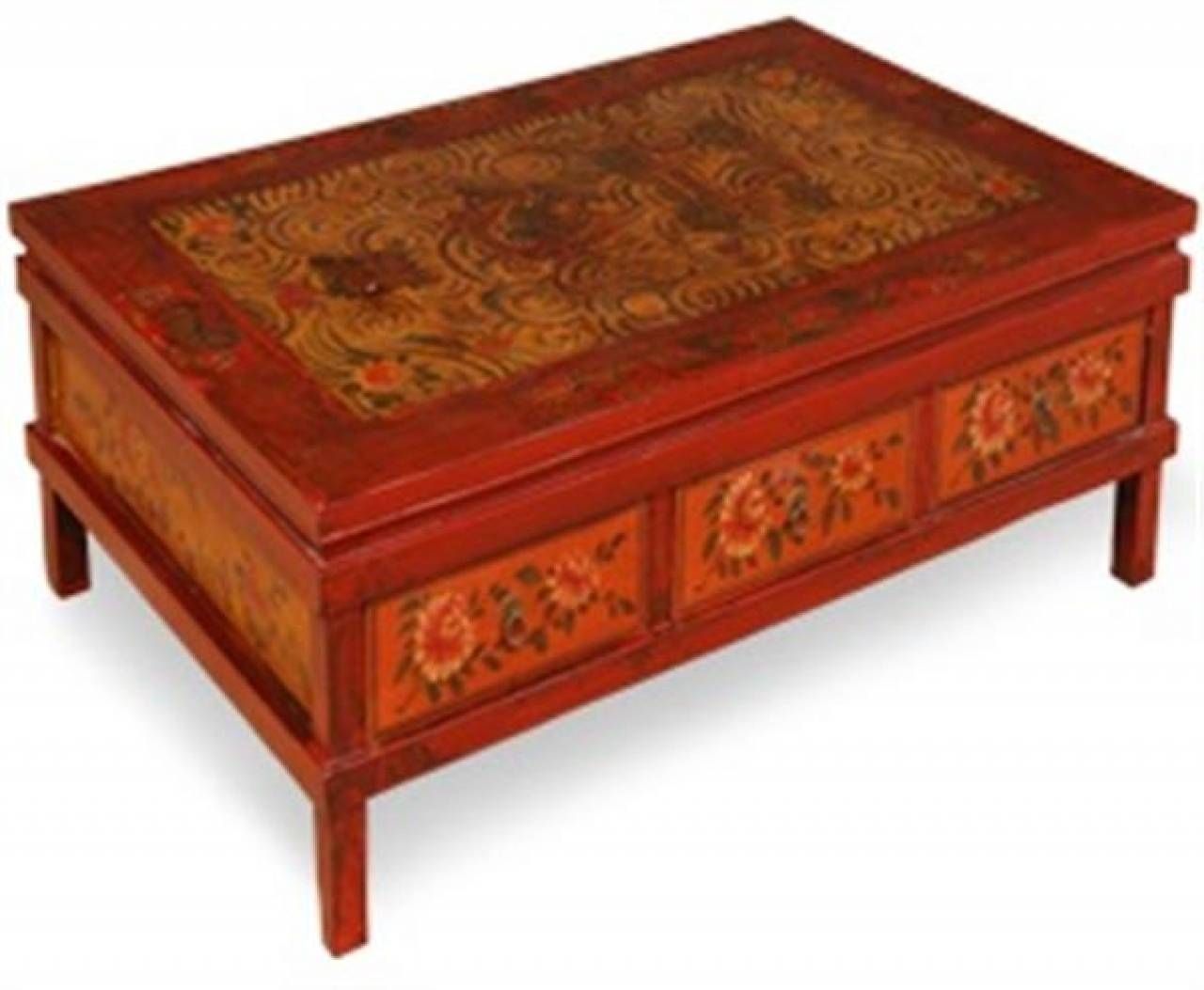
Chinese coffee tables, steeped in centuries of tradition, are renowned for their intricate carvings, rich materials, and symbolic significance.
-
Ming Dynasty Style: Characterized by their simple yet elegant lines, Ming dynasty tables often feature a rectangular top supported by four sturdy legs. The wood, usually rosewood or mahogany, is meticulously polished to reveal its natural beauty.

-
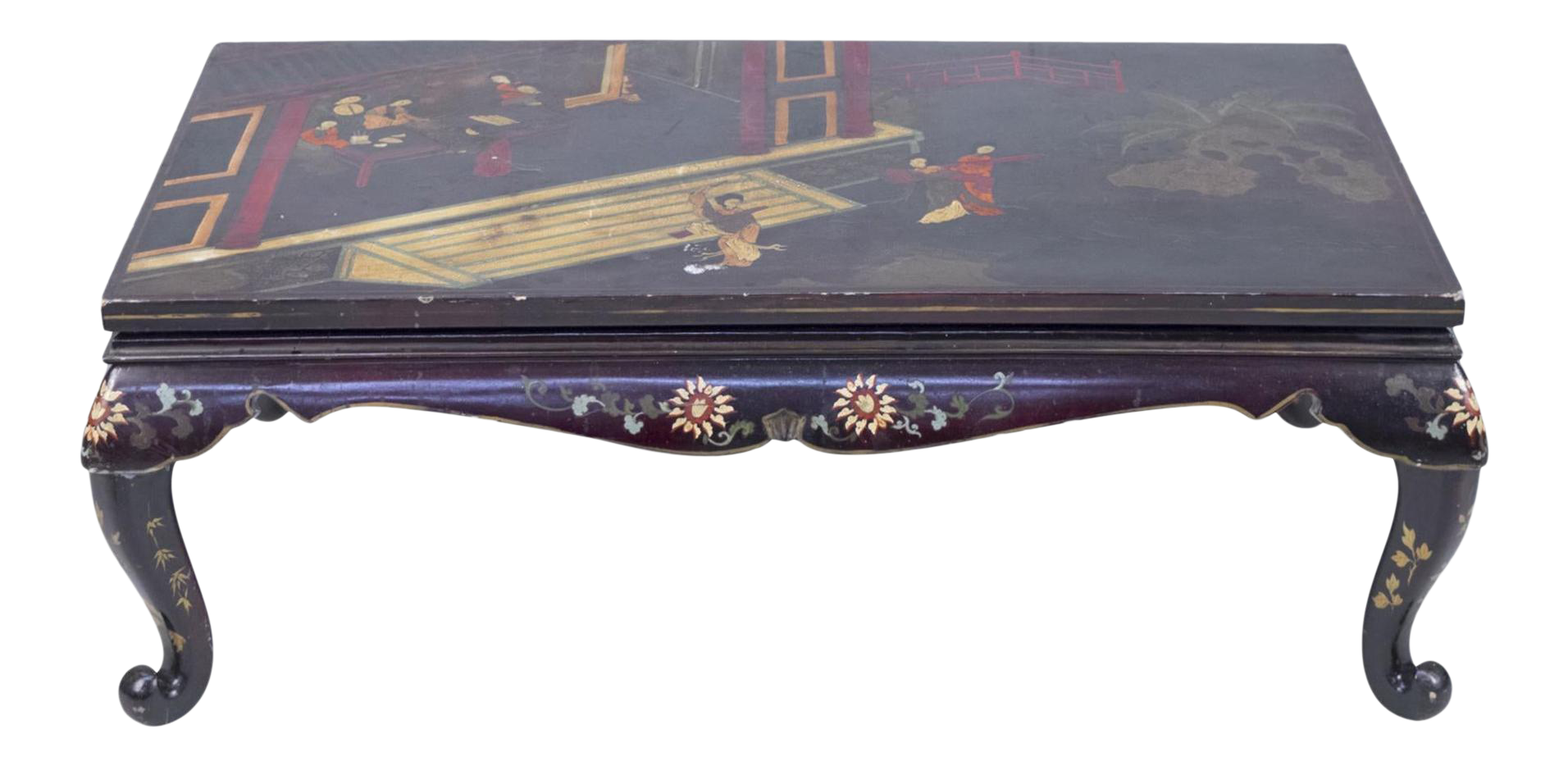
Qing Dynasty Style: Qing dynasty tables often showcase more elaborate carvings, incorporating motifs like dragons, phoenixes, and flowers. These tables are often made from a variety of woods, including sandalwood, ebony, and lacquerware.
-
Suzhou-style Tables: Originating from the city of Suzhou, these tables are known for their exquisite craftsmanship and intricate carvings. They often feature delicate floral patterns and scenes from Chinese mythology.

2. Japanese Coffee Tables:
Japanese coffee tables embody the principles of minimalism and functionality. They are often characterized by their low profile, simple lines, and natural materials.

-
Zashiki Style: These tables, traditionally used in tea ceremonies, are low to the ground and feature a simple rectangular top supported by four legs. They are often made from wood, such as hinoki cypress or cherry wood.
-
Zen Style: Zen-inspired coffee tables emphasize simplicity and natural beauty. They often feature a single piece of wood as the tabletop, supported by a minimalist base.
-
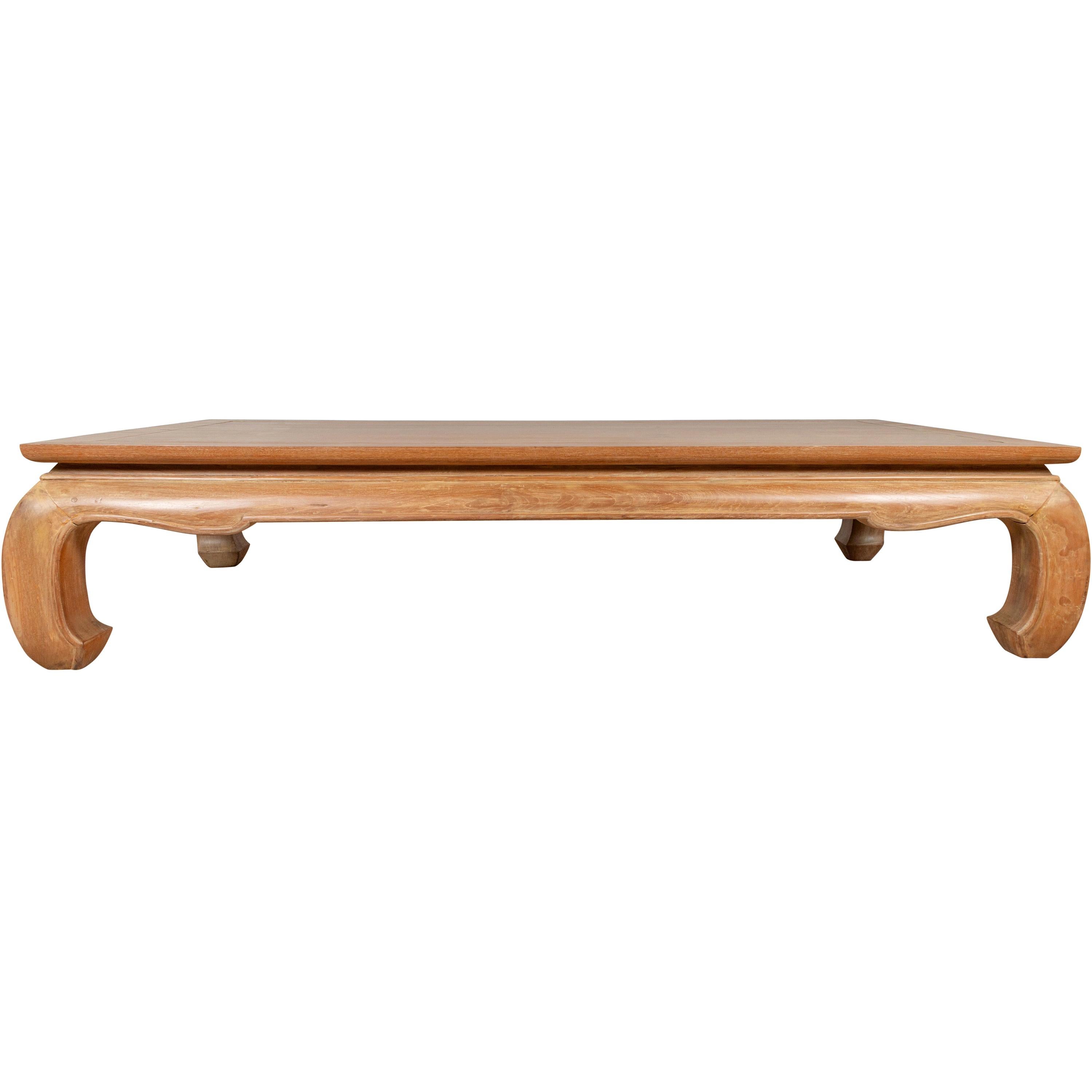
Modern Japanese Style: Modern Japanese coffee tables blend traditional elements with contemporary design. They often feature clean lines, natural materials, and a focus on functionality.
3. Indian Coffee Tables:
Indian coffee tables are a vibrant tapestry of colors, textures, and intricate designs. They often feature elaborate carvings, inlaid stones, and vibrant fabrics.
-
Mughal Style: Mughal-inspired coffee tables showcase intricate carvings, often depicting floral motifs, geometric patterns, and scenes from Indian mythology. They are often made from wood, such as rosewood, teak, or sandalwood.
-
Rajasthani Style: Rajasthani coffee tables are known for their vibrant colors and intricate carvings. They often feature motifs like peacocks, elephants, and floral patterns.
-
Modern Indian Style: Modern Indian coffee tables blend traditional elements with contemporary design. They often feature bold colors, geometric patterns, and a mix of materials.
Materials and Craftsmanship:
Asian coffee tables are crafted from a variety of materials, each contributing to the table’s unique aesthetic and durability.
-
Wood: Wood is the most common material used in Asian coffee tables. Popular choices include rosewood, mahogany, teak, sandalwood, ebony, and cherry wood. These woods are known for their durability, beauty, and natural grain patterns.
-
Stone: Stone, such as marble, granite, and slate, is often used for tabletops, adding a touch of elegance and durability.
-
Metal: Metal, such as brass, copper, and iron, is often used for accents and decorative elements, adding a touch of shine and sophistication.
-
Lacquerware: Lacquerware, a traditional Asian technique of applying layers of lacquer to wood, is often used to create intricate designs and vibrant colors.
-
Bamboo: Bamboo, a sustainable and versatile material, is often used for coffee table frames and legs, adding a touch of natural beauty and lightness.
Beyond Aesthetics: The Cultural Significance of Asian Coffee Tables:
Asian coffee tables are not merely decorative pieces; they are imbued with cultural significance and symbolism.
-
Symbol of Hospitality: In many Asian cultures, coffee tables are seen as a symbol of hospitality and welcome. They provide a space for guests to gather and share conversation and refreshments.
-
Family Heirlooms: Many Asian coffee tables are passed down through generations, becoming cherished family heirlooms. They represent the family’s history, traditions, and values.
-
Spiritual Significance: In some Asian cultures, coffee tables are believed to have spiritual significance. They are often placed in specific locations within the home, according to principles of Feng Shui, to enhance positive energy and harmony.
Integrating Asian Coffee Tables into Modern Interiors:
Asian coffee tables can seamlessly blend into modern interiors, adding a touch of cultural sophistication and visual interest.
-
Minimalist Interiors: Asian coffee tables with simple lines and natural materials, such as Japanese Zen-style tables, complement minimalist interiors.
-
Contemporary Interiors: Modern Asian coffee tables, with their blend of traditional elements and contemporary design, can add a touch of cultural flair to contemporary interiors.
-
Eclectic Interiors: Asian coffee tables can be used as focal points in eclectic interiors, adding a touch of global inspiration.
Tips for Choosing the Right Asian Coffee Table:
-
Consider the Size and Shape: Choose a coffee table that is proportionate to the size of your living room and complements the existing furniture.
-
Think About the Style: Choose a style that complements your personal taste and the overall aesthetic of your home.
-
Pay Attention to the Materials: Consider the durability, maintenance requirements, and aesthetic appeal of different materials.
-
Embrace the Cultural Significance: Research the cultural significance of different Asian coffee table styles and choose one that resonates with you.
Conclusion:
Asian coffee tables are more than just furniture; they are a testament to the artistry, craftsmanship, and cultural heritage of Asia. From the intricate carvings of traditional Chinese tables to the minimalist elegance of Japanese designs, there is an Asian coffee table to suit every taste and style. By incorporating these unique pieces into your home, you can infuse your living space with a touch of cultural sophistication, elegance, and timeless beauty.
Also read: Es Krim Rasa Jagung
Posting Komentar untuk "The Allure of Asian Coffee Tables: A Journey Through Style and Tradition"